Eliminate Wasted Ad Spend With Data-Driven Marketing
You’re burning money on ads that don’t deliver. Every wasted dollar is a missed opportunity to connect with high-intent leads ready to engage. Data-driven marketing cuts through the noise and targets exactly who’s searching for your service — boosting conversions while reducing wasted ad spend. Let’s break down practical tactics that turn clicks into booked appointments and real revenue. Learn more here.
Data-Driven Marketing Tactics
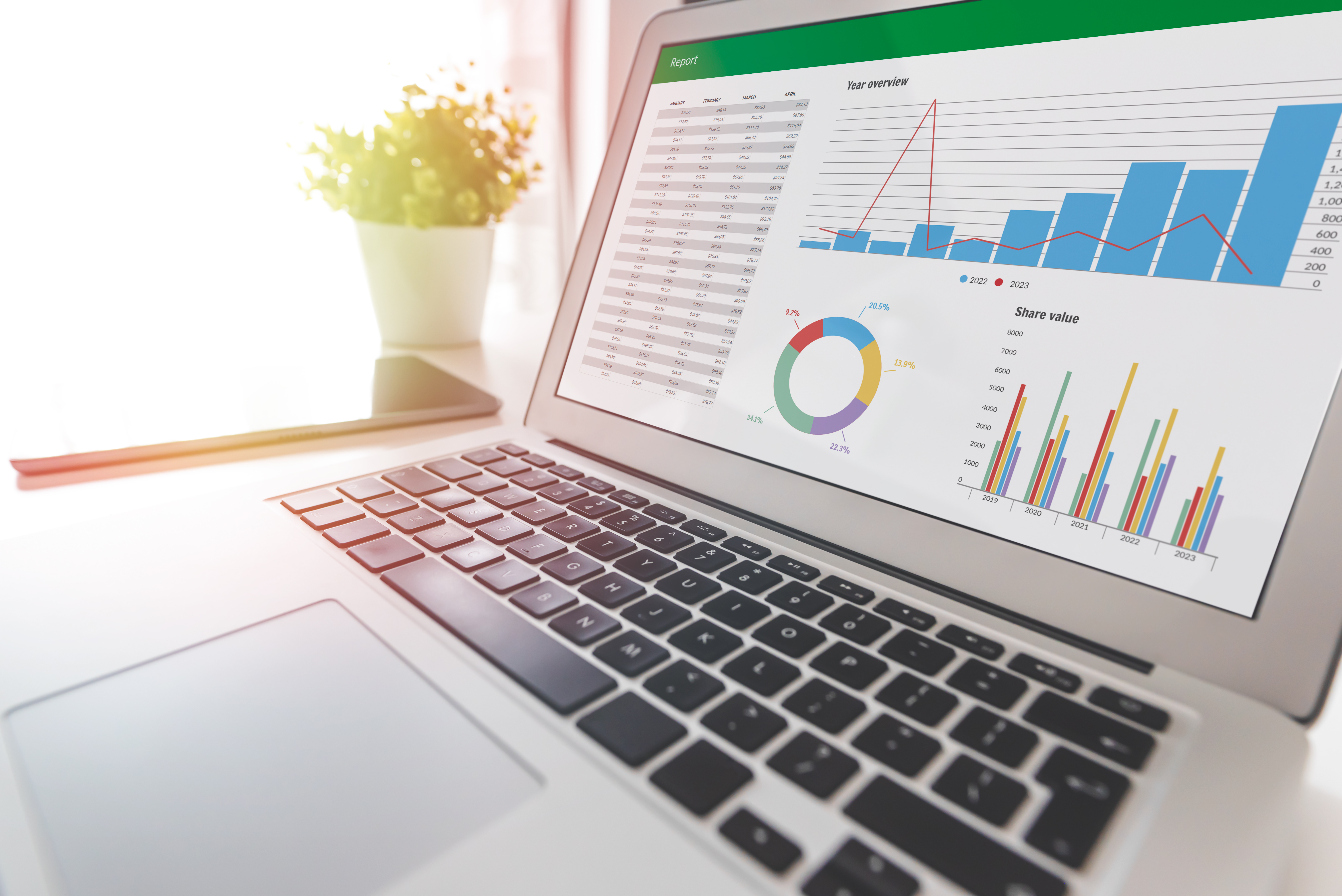
Ready to unlock the full potential of your marketing efforts? Dive into these key strategies to transform your campaigns.
Boost Conversion Rates
Getting more from your current traffic is all about improving every touchpoint. Start by refining your landing pages. Ensure they match the ad’s promise. A clear, compelling call-to-action (CTA) can increase engagement. Consider A/B testing different headlines and images to find what resonates best with your audience.
Focus on creating urgency. Limited-time offers or exclusive deals can prompt immediate action. Remember, even small tweaks can lead to big gains. For example, changing a button color can improve the conversion rate by up to 21%. The key is constant testing and learning.
Optimize Your Ad Spend
Are you spending wisely? Let’s ensure every dollar works hard for you. Begin by analyzing your current campaigns. Identify which ads drive the most revenue and replicate their success. Cut back on underperforming ones. This way, you can focus on what’s bringing in the best results.
Consider shifting more budget to platforms that yield better returns. If Facebook outperforms Google for you, adjust accordingly. Remember, optimizing isn’t set-it-and-forget-it. Regularly review and adjust for maximum impact.
Leverage High-Intent Data
High-intent leads are gold. They’re actively searching for solutions like yours. Use intent data to find them. Analyze search queries and online behavior to pinpoint these prospects. Tools like Google Analytics can reveal insights about what visitors want.
By targeting high-intent data, your ads can appear when they’re most needed. This approach not only boosts conversions but also improves your return on ad spend. Start turning interest into action.
Enhancing Targeting and Segmentation
To connect with your ideal customer, you need to speak directly to their needs and interests. Let’s explore how to refine your approach.
Audience Segmentation Strategies
Segmentation is crucial for personalized marketing. Group your audience based on demographics, interests, or buying behavior. This allows for tailored messaging, increasing relevance and engagement. For instance, if you target young professionals, focus on convenience and innovation in your messaging.
Use tools like Facebook Audience Insights to gather data and create detailed segments. The more precise your audience, the more effective your campaigns will be. Segmentation helps in delivering the right message to the right people at the right time.
The Power of Lookalike Audiences
Lookalike audiences can expand your reach to new prospects similar to your best customers. These are people who share traits with your existing buyers. Facebook and Google offer lookalike targeting options, making it easy to tap into these groups.
Building a lookalike audience involves using your existing customer data. This could be from your mailing list or website visitors. Once set up, expect improved engagement and conversion rates as you attract more qualified leads.
Effective Use of Negative Keywords
Negative keywords prevent your ads from showing in irrelevant searches. This saves budget and boosts relevancy. For example, if you sell luxury items, exclude terms like “cheap” or “discount” to avoid mismatched clicks.
Regularly review your search terms report to identify negative keywords. This ongoing adjustment refines targeting and ensures your ads reach the most interested people. Effective use of negative keywords can significantly increase your ROAS.
Advanced Tracking and Analytics

Analytics is the backbone of effective marketing. Let’s dive into the tools and techniques that will give you a clear picture of your campaign performance.
UTM Tracking Best Practices
UTM parameters help track the effectiveness of your campaigns. By adding these to your URLs, you can see exactly where your traffic is coming from. This data helps refine strategies, showing which channels perform best.
Set up UTM tracking in Google Analytics to monitor campaign success. This way, you can compare sources like email, social, and paid ads. Detailed insights lead to smarter spending and improved results.
Conversion Tracking Essentials
Conversion tracking shows how users interact with your ads and website. It reveals which actions are completed, like purchases or sign-ups. Installing conversion pixels on your site is crucial for this insight.
With conversion tracking, you can measure ROI and identify areas for improvement. This allows you to focus on strategies that drive the most value. Knowing what’s working keeps your marketing efforts on target.
Implementing A/B Testing Techniques
A/B testing is a powerful way to optimize performance. By comparing two versions of a webpage or ad, you can see which performs better. Start with small tests like button color or headline changes.
Analyze results to understand what resonates with your audience. Continuous testing leads to gradual improvements, enhancing user experience and boosting conversions. Remember, every test is a step towards greater success.
By implementing these strategies, your marketing efforts can become more precise and effective. Focus on data-driven tactics to connect with your ideal audience and reduce wasted ad spend. Ready to see the difference? It’s time to take action and elevate your marketing game!