How Buyer Intent Data Supercharges Lead Generation for Service Businesses
Most service businesses waste thousands on ads showing to people not ready to buy. You know those leads never convert and kill your ROI. Buyer intent data flips that script by pinpointing high intent leads actively searching right now. Get ready to cut wasted spend and build a predictable pipeline with signals that drive smarter service business lead generation. Book your Intent Data Audit with Strategic Digital Tech and start winning real buyers today.
Understanding Buyer Intent Data
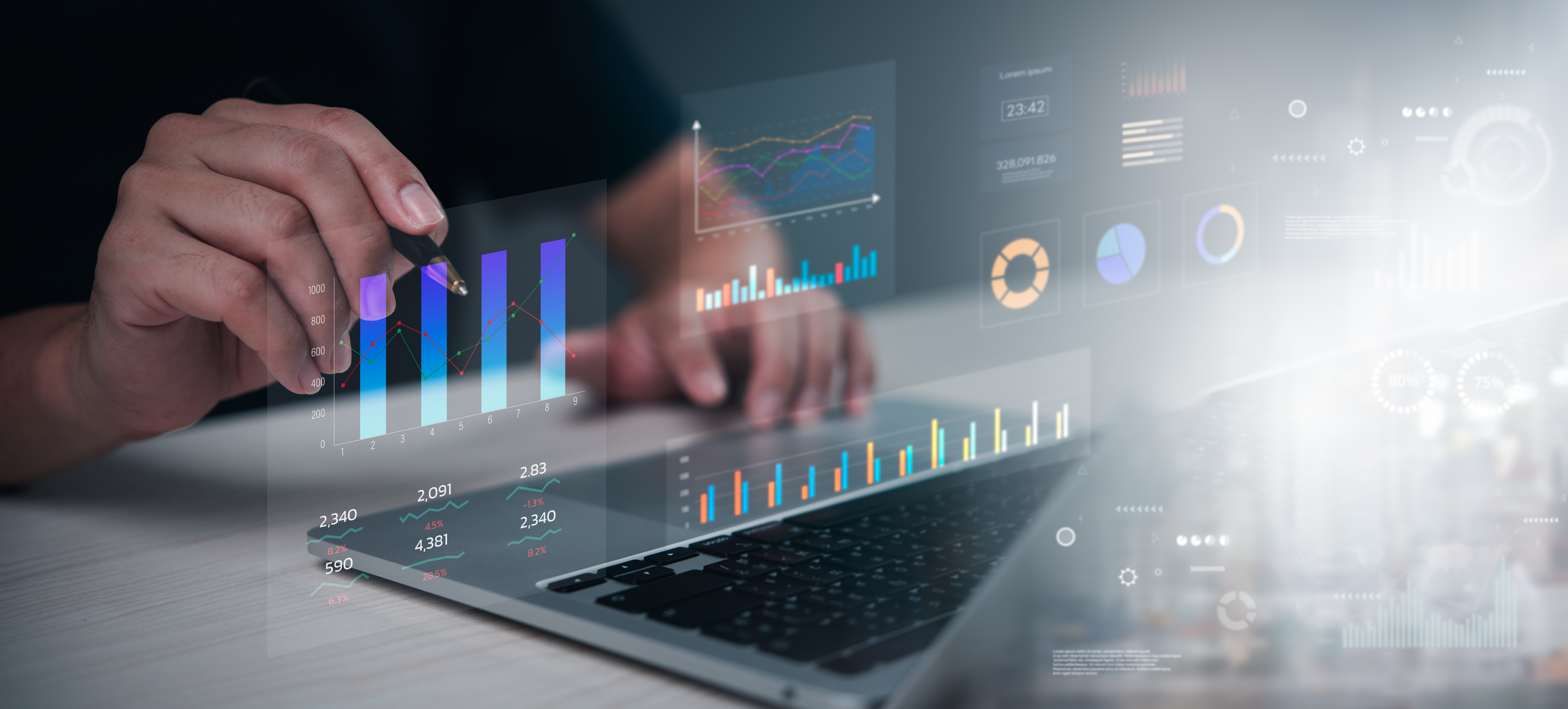
Buyer intent data is revolutionizing the way service businesses generate leads by identifying those already interested in what you offer.
Decoding Purchase Intent Signals
Imagine knowing exactly when someone is looking to buy. Purchase intent signals are clues that show who is ready to make a decision. They come from things like search queries, website visits, and content engagement. By tracking these signals, you can focus on people who are closer to buying.
For example, if someone searches for “best accounting services near me,” they’re likely ready to hire an accountant. By targeting these individuals, your marketing becomes laser-focused. Instead of chasing everyone, you zero in on those who matter most. This means less wasted effort and more conversions.
Targeting In-Market Audiences
In-market audiences are those actively searching for solutions like yours. They have a problem and are hunting for a fix. By targeting these groups, you increase your chances of a sale. It’s like fishing in a pond full of hungry fish.
Identifying in-market audiences involves using data to spot patterns. Look at searches, clicks, and time spent on your site. These behaviors indicate interest and readiness. Once identified, tailor your message to speak directly to their needs. This personal touch boosts engagement and turns interest into action.
Strategies for Service Business Lead Generation

Once you’ve identified intent signals, the next step is to build a strategy that consistently generates high-quality leads.
Building a Predictable Pipeline
A predictable pipeline means knowing leads are coming in steadily. It relies on understanding buyer intent and setting up systems to capture it. Start by mapping your customer journey: where do they start, and what leads them to purchase? Use this map to create touchpoints that guide them along.
For instance, use content that educates and addresses pain points. Engage through emails, social media, and direct outreach. Keep the flow consistent, and soon you’ll see a pattern emerge. This approach not only fills your pipeline but ensures it’s filled with the right kind of prospects.
PPC Optimization and SEO for Service Businesses
Paid ads and SEO play a crucial role in lead generation. PPC allows you to target high-intent keywords, drawing in those ready to act. Start with a small budget, test different ads, and refine based on performance. This ensures you’re only spending on what works.
SEO, on the other hand, builds long-term visibility. Focus on keywords related to your services and create content that answers common questions. Over time, your site will climb search rankings, attracting organic traffic. Together, PPC and SEO create a balance of immediate and sustained lead flow.
Conversion Rate Optimization and Marketing Attribution
Conversion rate optimization (CRO) is about maximizing the potential of every visitor. Analyze where people drop off on your site and adjust to keep them engaged. Simple changes, like clearer calls-to-action or faster load times, can significantly boost conversion rates.
Marketing attribution helps you understand which channels drive leads. By tracking the journey from first contact to sale, you can see what’s working. This insight allows you to allocate resources effectively, ensuring every dollar spent contributes to your goals.
Leveraging Intent for High-Intent Leads

Now that you have strategies in place, it’s time to refine them for maximum impact.
Crafting Effective Sales Funnels and Conversion Websites
A well-crafted sales funnel guides prospects from interest to purchase. Start with a compelling landing page that addresses their needs. Use testimonials, clear benefits, and a strong call-to-action to build trust.
Your website should be designed for conversion. Ensure it’s easy to navigate, mobile-friendly, and visually appealing. Every element should lead the visitor toward taking the next step, whether it’s filling a form or scheduling a call.
Designing Impactful Landing Pages and Brand Messaging
Landing pages are where the magic happens. They should grab attention immediately and convey value quickly. Use headlines that speak to the buyer’s problem and offer a solution.
Brand messaging should be consistent across all touchpoints. It should reflect who you are and why you’re the best choice. When prospects see clear, cohesive messaging, they’re more likely to trust and choose you.
Using First-Party and Zero-Party Data
Data is your secret weapon. First-party data comes from your interactions with customers. It’s reliable and gives insight into past behaviors. Zero-party data is willingly shared by customers, like preferences or feedback. Both provide a deeper understanding of your audience.
Use this data to personalize experiences and tailor offers. When customers feel understood, they’re more likely to engage and convert. This approach not only boosts sales but also builds lasting relationships.
🌟🚀📈