Real-Time Buyer Behavior: Plug Intent Data Into Your Marketing Stack
Most marketing stacks miss the mark by ignoring real-time buyer behavior. You’re losing high-intent leads the moment they show interest. Plugging intent data directly into your systems turns anonymous clicks into clear signals, slashing your customer acquisition cost and speeding up pipeline acceleration. Keep reading to see how first-party data, identity resolution, and server-side tracking work together to capture and activate those signals instantly. Request a Real-Time Intent Audit and get a prioritized integration plan within 48 hours. Learn more here.
Harnessing Real-Time Buyer Behavior
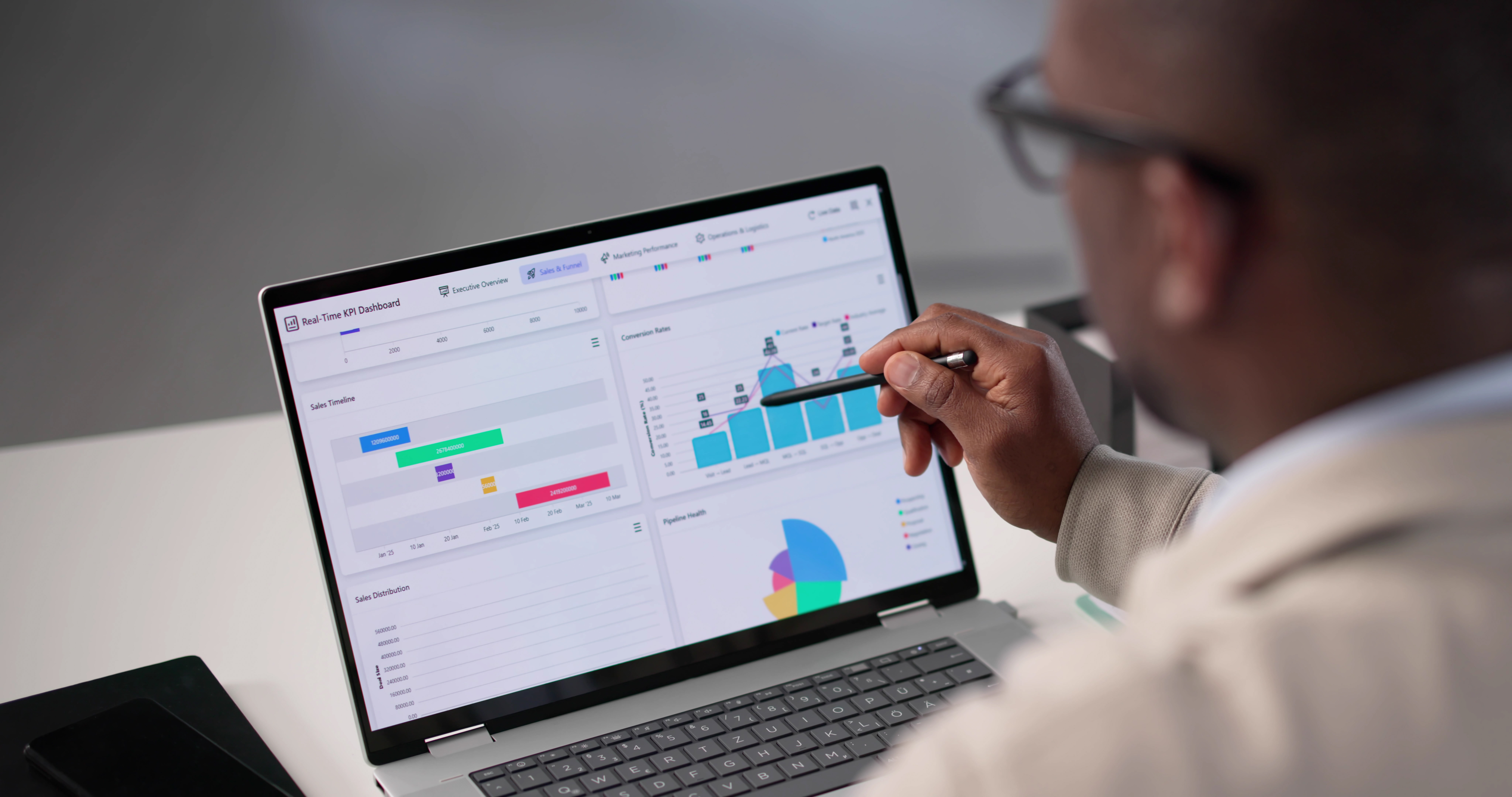
Today’s marketing world demands a shift to real-time data. Understanding real-time buyer behavior is the key to unlocking the potential of your marketing strategies. By focusing on what buyers are doing now, you can drive conversions like never before.
Understanding Intent Data
Intent data tells you what your potential customers are interested in right now. Instead of casting a wide net with your marketing, use intent data to target those who are already showing interest in what you offer. You can identify signals like web searches and content interactions to see where your prospects are in their buying journey. This means you’re not just guessing who might be interested. You’re focusing on those who are already looking for solutions like yours.
Capturing High-Intent Leads
High-intent leads are those ripe for conversion. They are actively looking for solutions, and your job is to capture their attention before your competitors do. Use tools like Google Tag Manager and event tracking to identify these leads. The more you know about their behaviors, the better you can tailor your messaging to meet their needs. When you capture these high-intent leads, you’re slashing your costs per acquisition and speeding up your pipeline.
Leveraging First-Party Data
First-party data is your goldmine. It’s data you’ve collected directly from your audience, and it’s more reliable than any third-party data. By using this data, you can personalize experiences and make smarter marketing decisions. This data shows you exactly what your audience wants, allowing you to craft messages that resonate deeply with them. It leads to better engagement and higher conversion rates.
Integrating Intent Data into Your Stack

Once you’ve harnessed the power of intent data, the next step is integrating it into your marketing stack. This ensures you can act on insights and drive results.
Identity Resolution and Server-Side Tracking
Identity resolution is about knowing who your customers are, even across different devices. It eliminates the guesswork, providing a clear picture of your audience. Server-side tracking then captures this data without relying on cookies, offering a more complete view of user interactions. By combining these tools, you gain a consistent, unified view of each customer, allowing for more personalized marketing efforts.
Website Personalization and CRM Integration
Personalizing your website for each visitor can significantly improve engagement. When you integrate your CRM with intent data, you create a seamless flow of information that enhances personalization. This means when a potential customer visits your website, they’re greeted with content tailored to their interests and needs. This connection fosters trust and encourages further interaction, moving them down the funnel more efficiently.
Omnichannel Activation Strategies
To fully capitalize on intent data, activate it across multiple channels. This is where omnichannel activation comes in. It ensures your marketing messages are consistent and timely, no matter where your audience interacts with your brand. Whether through email, social media, or your website, each touchpoint should reinforce your brand message and push prospects closer to a decision.
Driving Conversions and Lowering CAC

Harnessing intent data not only enhances engagement but also reduces costs. Here’s how you can maximize its potential.
Conversion Rate Optimization Techniques
Boosting your conversion rates requires a strategic approach. Start by analyzing your current funnel to identify drop-off points. Then, use A/B testing to experiment with different headlines, CTAs, and layouts. Small tweaks can lead to significant improvements in conversion rates over time. Keep refining your approach based on data insights to continuously optimize your efforts.
Marketing Automation and Pipeline Acceleration
Implementing marketing automation tools can streamline your processes, saving time and resources. Automate repetitive tasks like email follow-ups and lead scoring to ensure no opportunity slips through the cracks. This not only speeds up your pipeline but also ensures that your team can focus on strategic tasks that drive growth.
Attribution Modeling and Marketing Analytics
Finally, use attribution modeling to understand which channels and tactics are driving your results. This insight is critical for optimizing your marketing spend and improving your marketing analytics. By knowing what works and what doesn’t, you can allocate resources more effectively, ensuring that every dollar spent contributes to your bottom line. This data-driven approach empowers you to make informed decisions that lead to sustainable growth.
Ready to transform your marketing strategy with real-time buyer behavior insights? Dive deeper into how these tactics can elevate your brand and drive success.